The Book of Psalms
The Prayer Book of the Bible — Praise, Lament, and Trust
Phase 1 · Foundations
Appears 11 times · Day 14–100 · Tap to see details
Phase 2 · Depth
Appears 12 times · Day 36–100 · Tap to see details
Phase 3 · Integration
Appears 12 times · Day 9–100 · Tap to see details
Click to view in Reading Plan →
"The Lord is my shepherd; I shall not want."
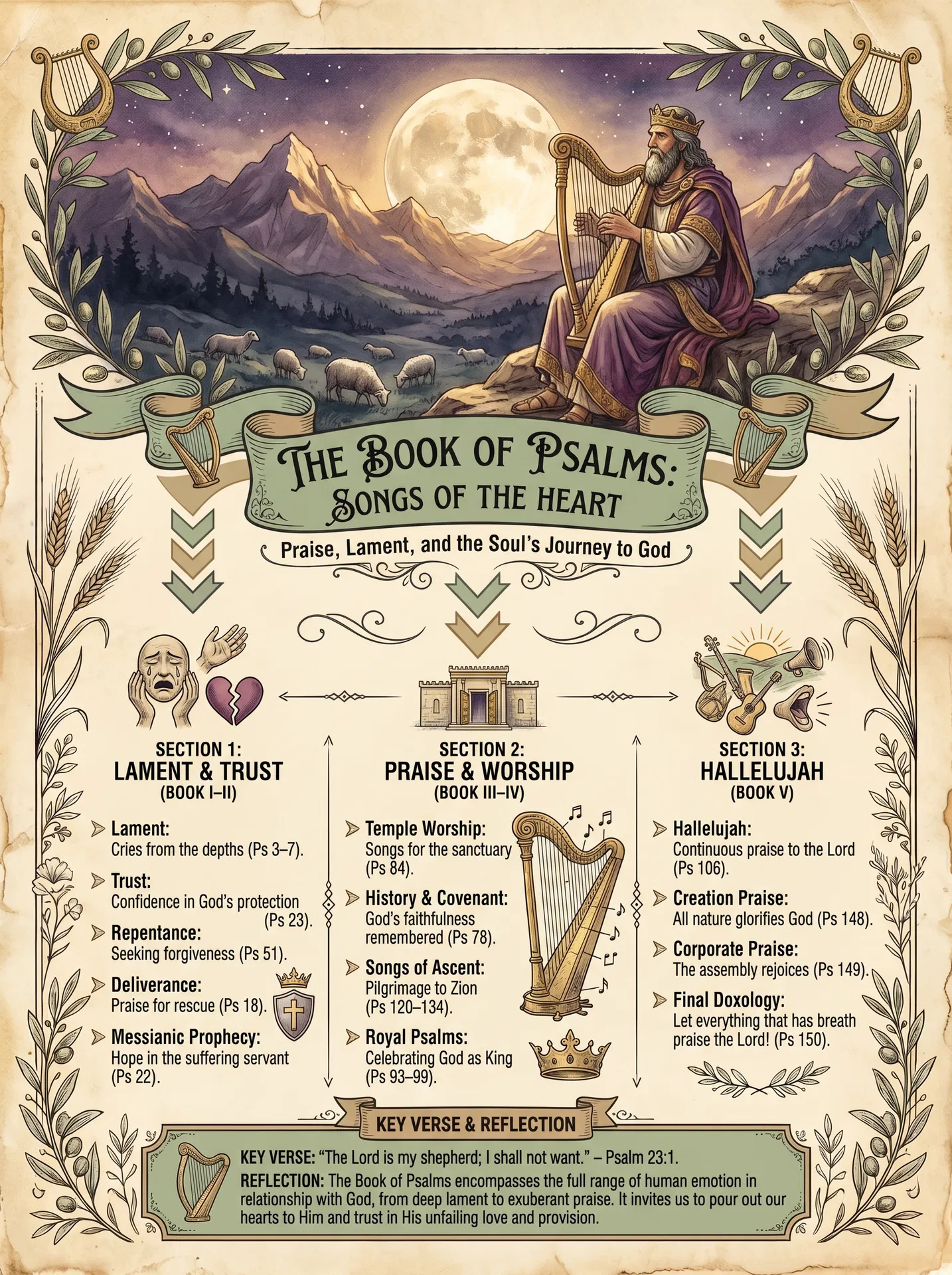
Full-page visual overview of The Book of Psalms — key events, themes, and structure at a glance
The Book of Joshua spans approximately 1400 BC and records the fulfillment of God's promise to give the land of Canaan to the Israelites. Written by Joshua himself, it is a story of faith, obedience, military conquest, and covenant renewal.
The Two Ways — the blessed life of the one who meditates on God's law versus the way of the wicked. Psalm 1 serves as the gateway to the entire Psalter.
"My God, my God, why have you forsaken me?" The great Psalm of abandonment and vindication — quoted by Jesus on the cross (Matthew 27:46). It moves from desolation to praise.
The Shepherd Psalm. Six verses that have comforted more people in more situations than perhaps any other passage in Scripture. "Even though I walk through the valley of the shadow of death, I will fear no evil."
The joy of forgiveness. David's confession after his sin with Bathsheba. "Blessed is the one whose transgressions are forgiven." Quoted by Paul in Romans 4:7–8 as evidence of justification by faith.
"Taste and see that the Lord is good." An acrostic psalm of thanksgiving. Every letter of the Hebrew alphabet is used to declare God's goodness and care for the righteous.
The Book of Joshua is built around four interlocking theological themes that speak powerfully to modern believers navigating their own "promised lands."
Honest Prayer — Lament as Worship
More than a third of the Psalms are laments — raw, honest cries of pain, confusion, and abandonment. Psalm 22 begins "My God, my God, why have you forsaken me?"…
The Character of God
The Psalms are the richest single source in Scripture for understanding who God is. He is shepherd (23), fortress (46), judge (50), healer (103), creator (104),…
Praise as a Discipline
The Psalms do not wait for circumstances to improve before praising God. Psalm 34 was written when David was pretending to be insane to escape an enemy — yet it…
The Messianic Psalms
Several Psalms are explicitly quoted in the New Testament as prophecies fulfilled by Jesus. Psalm 22 describes the crucifixion in detail (pierced hands and feet…
Joshua is rich with symbolic imagery operating on multiple levels — historical, theological, and typological. Toggle between the two lenses to explore each symbol's full meaning.
Musical Instruments
The Psalms were sung with a wide range of instruments: the harp (kinnor), lyre (nebel), tambourine, flute, trumpet, and cymbals. Psalm 150 lists six different instrument families. Temple worship was a full-sensory, musical experience — not a quiet, private affair.
The Psalms were sung with a wide range of instruments: the harp (kinnor), lyre (nebel), tambourine, flute, trumpet, and cymbals. Psalm 150 lists six different instrument families. Temple worship was a full-sensory, musical experience — not a quiet, private affair.
The variety of instruments in the Psalms reflects the truth that all of creation is called to worship. Music is not merely decoration for worship — it is itself a form of prayer, a way of engaging the whole person (mind, emotion, body) in the presence of God.
Deep Waters
In the ancient Near East, the sea represented chaos, danger, and the power of death. Psalm 69 uses drowning as a metaphor for overwhelming distress: "Save me, O God, for the waters have come up to my neck." The image was immediately understood by ancient readers as a picture of existential crisis.
In the ancient Near East, the sea represented chaos, danger, and the power of death. Psalm 69 uses drowning as a metaphor for overwhelming distress: "Save me, O God, for the waters have come up to my neck." The image was immediately understood by ancient readers as a picture of existential crisis.
When the Psalms describe God as rescuing from deep waters (18:16; 144:7), they are claiming that God's power exceeds even the most terrifying forces of chaos and death. This imagery is fulfilled in Jesus calming the storm and ultimately in the resurrection — the ultimate rescue from the deepest waters.
The Mountain of God
Mount Zion (Jerusalem) was the location of the Temple — the place where heaven and earth met in Israelite theology. The Songs of Ascent (Psalms 120–134) were sung by pilgrims literally climbing the mountain to worship. The phrase "lifting up my eyes to the hills" (121:1) reflects this physical and spiritual journey.
Mount Zion (Jerusalem) was the location of the Temple — the place where heaven and earth met in Israelite theology. The Songs of Ascent (Psalms 120–134) were sung by pilgrims literally climbing the mountain to worship. The phrase "lifting up my eyes to the hills" (121:1) reflects this physical and spiritual journey.
The mountain represents the place of God's presence and rule. In the New Testament, this imagery is transformed: believers are said to have 'come to Mount Zion' (Hebrews 12:22) — not a physical mountain, but the heavenly Jerusalem, the community of God's people gathered around Christ.
Shield and Fortress
Military imagery pervades the Psalms: God is described as shield (3:3; 28:7), fortress (18:2; 46:7), stronghold (9:9), and rock (18:2; 31:3). These were not abstract metaphors — David and the psalmists faced real military threats, and they expressed their trust in God using the language of physical protection.
Military imagery pervades the Psalms: God is described as shield (3:3; 28:7), fortress (18:2; 46:7), stronghold (9:9), and rock (18:2; 31:3). These were not abstract metaphors — David and the psalmists faced real military threats, and they expressed their trust in God using the language of physical protection.
The military imagery of the Psalms is ultimately about the nature of faith: trusting in God's protection rather than in human strength. 'Some trust in chariots and some in horses, but we trust in the name of the Lord our God' (20:7). This is not passivity but a reorientation of where ultimate security is found.
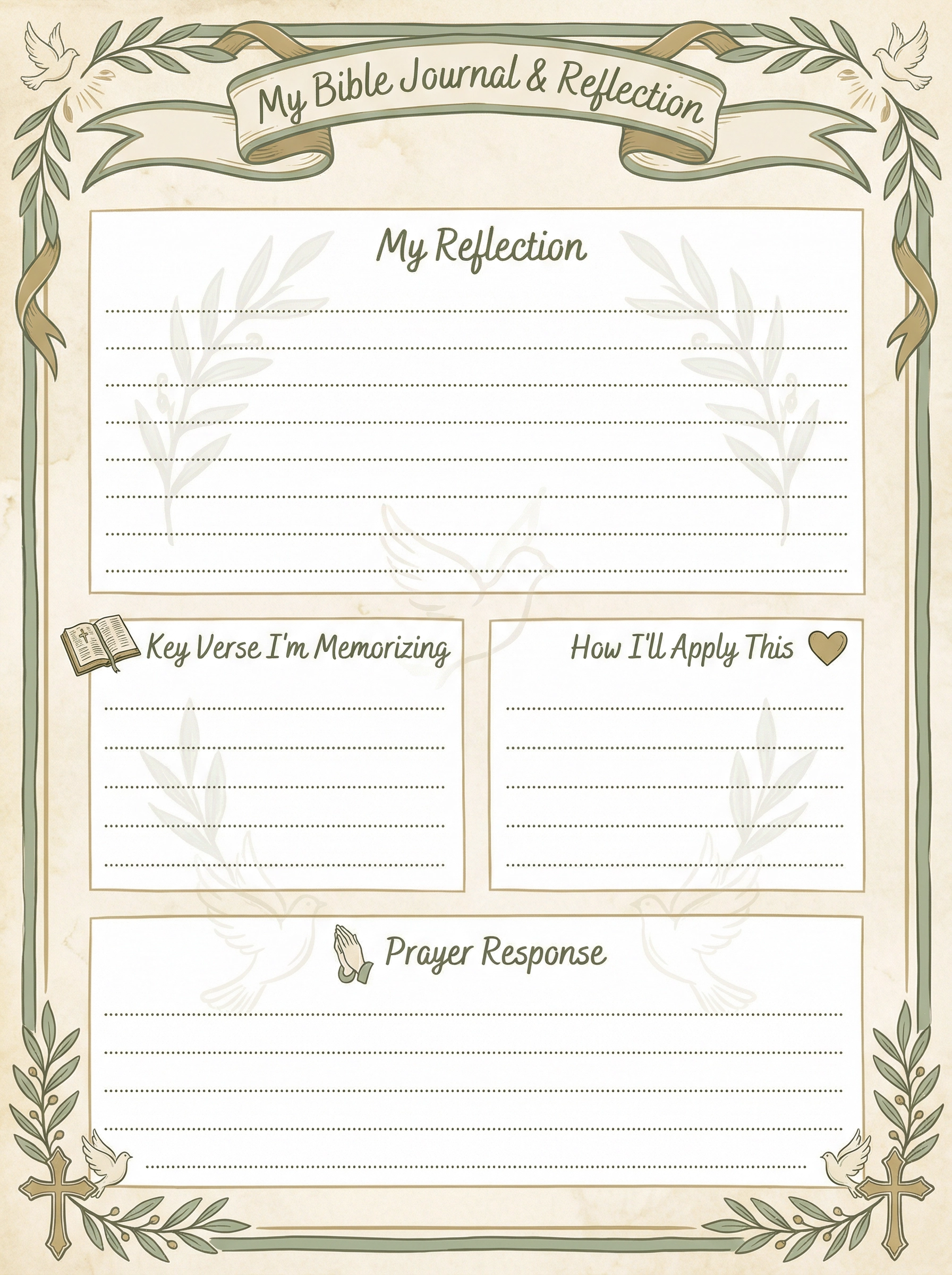
These 8 questions are designed for a 60–90 minute small group session. Begin with the icebreaker, then work through observation, interpretation, and application questions. Close with the prayer prompt. Leader's notes are available for select questions.
If you had to choose one Psalm that describes your current season of life, which would it be and why? (If you're not sure, consider Psalm 23, 42, or 139.)
Read Psalm 22:1–2 and then 22:24–31. How does the psalm move from abandonment to praise? What happens in the middle that enables this shift? What does this tell us about the nature of lament?
Compare Psalm 1 (the righteous person who meditates on God's law) with Psalm 73 (the psalmist who nearly lost faith watching the wicked prosper). How do these two psalms together give a more complete picture of the life of faith than either one alone?
Psalm 51:4 says "Against you, you only, have I sinned" — yet David sinned against Bathsheba and Uriah. What does David mean? What does this reveal about the ultimate nature of sin?
The Psalms use over 20 different images for God: shepherd, rock, fortress, father, king, judge, healer, light. Which image resonates most with you right now? Which one is hardest for you to embrace? Why?
Psalm 46:10 says "Be still, and know that I am God." In a culture of constant noise and activity, what would it practically look like for you to practice stillness before God this week? What obstacles would you face?
The Psalms model a full range of emotions brought honestly to God: joy, grief, anger, confusion, gratitude, fear. Is there an emotion you tend to hide from God? What would it look like to bring that emotion to Him in prayer this week, using one of the lament psalms as a guide?
Close by reading Psalm 23 together slowly, one verse at a time. After each verse, pause and ask: "Where do you most need this promise right now?" Let the psalm become a personal prayer. End with a moment of silence, then have each person speak one word of gratitude to God.
David
King of Israel and primary author of the Psalms, who expressed the full range of human emotion before God.
Asaph
A Levitical musician and worship leader who wrote psalms of communal lament and praise.
The Psalmists
Various authors including the Sons of Korah, Solomon, and Moses, each bringing unique perspectives on faith.
It's Okay to Lament
The Psalms give permission to bring raw, honest pain to God — faith doesn't require pretending everything is fine.
Praise as a Discipline
Many psalms begin in lament but end in praise — modeling the practice of choosing gratitude even in difficulty.
Scripture as Prayer
Praying the Psalms back to God is a time-tested spiritual practice that shapes our hearts and vocabulary of faith.
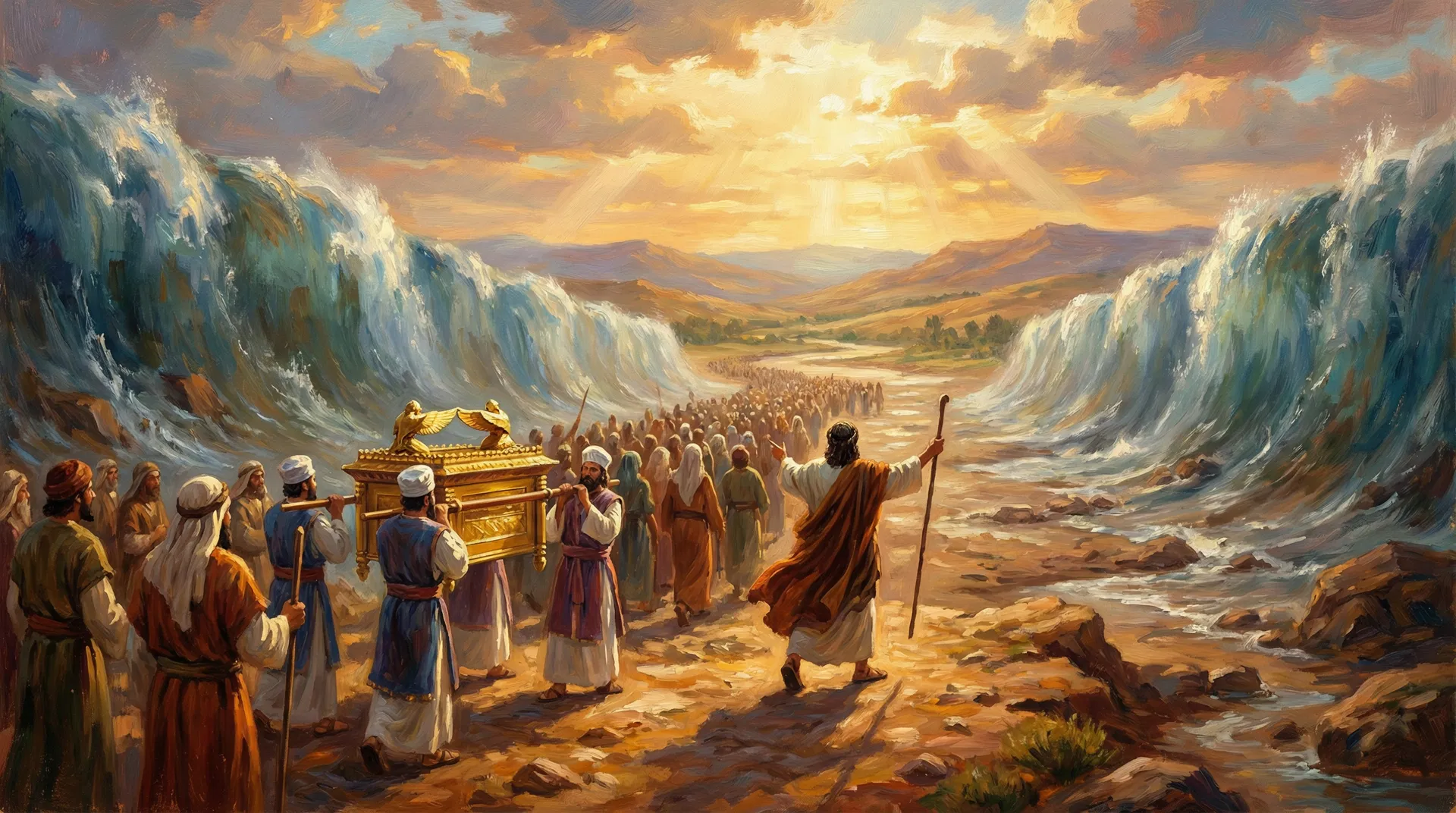
Joshua
Conquest of Canaan and God's faithfulness revealed
Great for those facing a big life transition or challenge
"Be strong and courageous. Do not be afraid; do not be discouraged, for the Lord your God will be with you wherever you go."
— Joshua 1:9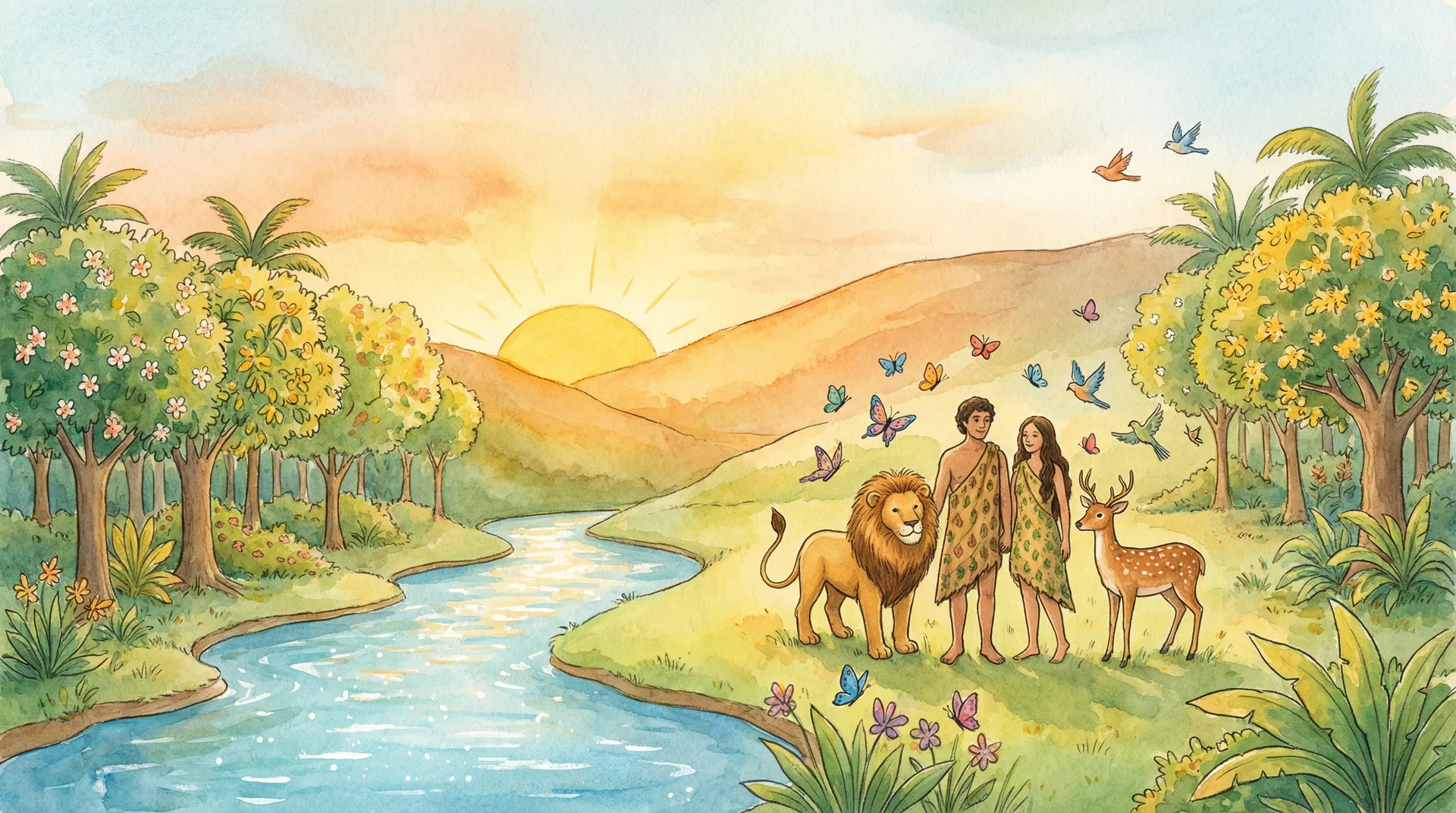
Genesis
The beginning of all things — creation, fall, and covenant
Perfect if you're new to the Bible — start here
"In the beginning God created the heavens and the earth."
— Genesis 1:1
Proverbs
Ancient wisdom for everyday life — from the court of Solomon
Perfect for anyone seeking practical wisdom for relationships, work, and daily decisions
"Trust in the Lord with all your heart and lean not on your own understanding."
— Proverbs 3:5The Book of Psalms
"Let everything that has breath praise the Lord! Praise the Lord!"
— Psalm 150:6
Continue Your Study
We use cookies
We use cookies and similar technologies to enhance your study experience, remember your progress, and understand how our service is used. You can choose which cookies to allow. Privacy Policy
California residents: we do not sell your personal information. Your rights →
This service is intended for users 13 years of age or older. Terms →